
Rewards programs shape modern cannabis shopping habits more than many retailers realize. When customers switch from cash to points, product choices shift toward categories that feel special, more experimental, or simply easier on the wallet. Current retail data, loyalty software reports, and consumer trend studies reveal clear movement toward specific items once reward balances come into play.
Premium flower leads the list. Everyday shoppers often stick to comfort-tier eighths during routine purchases, yet points create freedom to reach for luxury drops, craft batches, or limited genetics. Many consumers feel points reduce guilt around higher price tags, so they upgrade without hesitation. Retailers benefit through stronger movement of top-shelf inventory and greater exposure for boutique cultivators. Once a shopper tries a standout strain through a redemption event, a repeat purchase often follows.
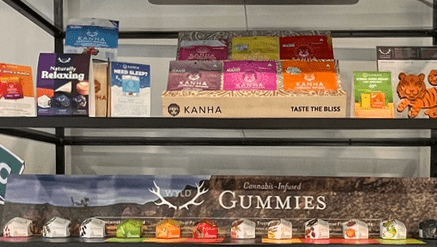
Gummies and other edible formats also experience heavy point-driven activity. These products offer predictable dosing, discreet consumption, and approachable price tags, which make them perfect targets for partial point balances. When a shopper holds rewards that fall short of a vape cartridge or premium flower, a $15–$25 edible option often becomes the next best choice. Fast-onset nano-enhanced gummies draw even more attention, showing steady growth through loyalty redemptions across multiple markets.
Vape carts and disposable devices continue to dominate higher-ticket redemptions. Points soften the cost barrier, prompting consumers to pick up products normally reserved for paydays or special occasions. Disposable vapes offer convenience for travelers, first-time users, or anyone avoiding long-term device commitment. Retail analytics groups report redemption jumps of roughly 20–30 percent for these formats during point-heavy periods.
Topicals sit somewhere unexpected within reward behavior. Balms, salves, lotions, and CBD-rich formulas gain momentum through point use because shoppers often remain curious yet hesitant to spend full price on something new or untested. Rewards provide a low-risk entry. Once relief or comfort follows, customers frequently return for cash purchases. For wellness-oriented brands, loyalty programs create a powerful discovery channel.
Concentrates also hold a meaningful share of point-based purchasing. Mature regions such as Colorado or Oregon show strong redemption activity for live resin, rosin, and specialty dab formats. These products carry noticeable price premiums, so shoppers often wait until their rewards reach a worthwhile threshold. Newer markets demonstrate moderate movement, though steady growth suggests rising comfort levels among consumers drawn to potent, terpene-rich experiences.
Accessory purchases also spike during point redemption windows. Grinders, rolling papers, lighters, stash jars, and pocket-friendly storage options function well for leftover point totals. When a shopper holds a small balance that will not cover higher-value items, these utility-driven products fill the gap. Although accessories rarely deliver the highest margins, they lift overall basket size and support stronger engagement.
The collective picture reveals something larger: point redemptions do more than reward loyalty. They alter how shoppers explore, test, and ultimately adopt new cannabis products. When cost pressure relaxes, consumers experiment freely. Retailers gain opportunities to place premium goods, emerging brands, or slower-moving items directly into customers’ hands. Understanding which categories rise during reward activity helps dispensaries refine inventory, improve promotional timing, and strengthen long-term customer relationships.
Cannabis rewards programs continue to evolve, yet one truth stands firm: when the wallet steps aside and points take over, shopping behavior shifts in exciting and highly strategic ways.
Related read: The Power of Exclusive Member-Only Pricing